


CNC Milling – Extreme Precision in Every Shape
Welcome to the world where the most complex geometry meets flawless execution. The CNC milling service at Extreme CNC is an advanced technological process that allows us to create parts with virtually unlimited shapes and the highest precision. Whether you need a complex prototype, a precision injection mold, or a series of repeatable components, our machine park and experienced team are ready to meet your challenge.
What Is CNC Milling and Why Is It Key?
CNC milling is a subtractive machining method that involves the precise removal of material using a rotating tool (a milling cutter). The entire process is computer-controlled (CNC – Computerized Numerical Control), which guarantees phenomenal accuracy, repeatability, and the ability to produce parts with geometries impossible to achieve with manual technologies. It is the foundation of modern manufacturing, from aviation to medicine, wherever every micrometer counts.
A Wide Range of Machined Materials
Our experience and technology allow for the effective CNC milling of materials with diverse properties:


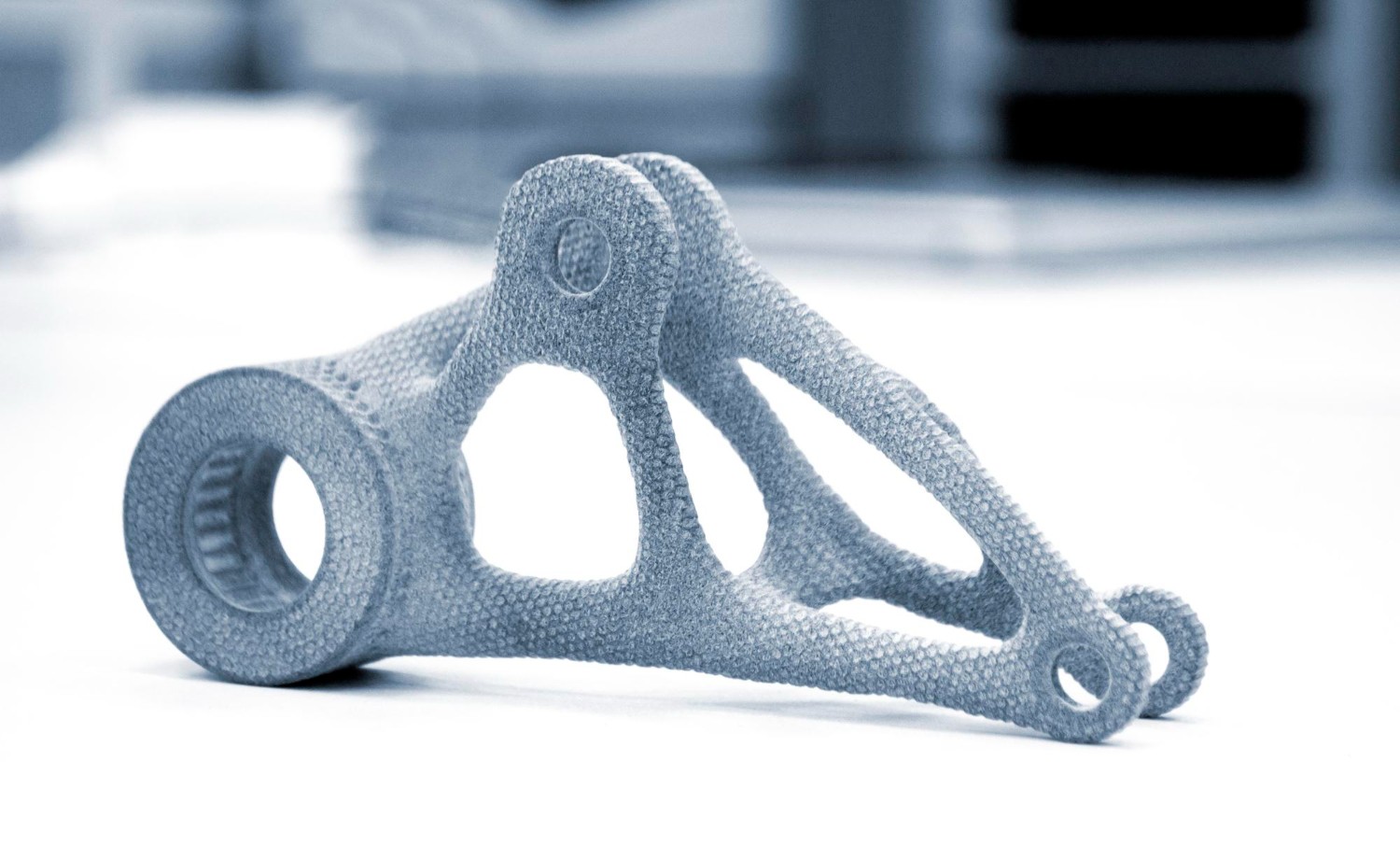
Our CNC Milling Capabilities
At Extreme CNC, we invest in technology that allows us to push the boundaries. Our production capabilities are based on two key pillars:
- 3-Axis Milling: Ideal for producing parts with less complex geometries, such as plates, housings, or simple molds. It is an efficient and economical method for a wide range of projects.
Applications of CNC Milling in Industry
Our precisely milled components are used in the most demanding industries. We produce parts for sectors including:
suspension elements, engine components, prototypes.
device housings, spare parts, fixtures, guides.
implants, surgical instruments, equipment components.
lightweight and durable structural components.
injection molds, dies, punches, blanking dies.
FAQ – Frequently Asked Questions about CNC Milling
Planning a project and have questions about machining? This section answers the most common questions about processes like CNC milling and CNC turning to give you a better idea of what it’s like to work with Extreme CNC.
What is the difference between 3-axis and 5-axis milling?
In simple terms, a 3-axis milling machine moves the tool along three axes (X, Y, Z). A 5-axis milling machine adds two rotational axes, which allows the part to be machined from different angles without needing to be re-clamped. This enables the creation of much more complex shapes and ensures higher precision.
What are the maximum dimensions of parts you can mill?
Our machine park is diverse. For detailed information on the maximum overall dimensions, please contact us with a request for a quote. We analyze each project individually to select the most suitable machine.
What dimensional tolerances can I expect?
As a standard, we can achieve tolerances of around ±0.01 mm. However, depending on the part’s geometry, the material, and the specific project requirements, we can achieve even tighter fits. Precise tolerance requirements should always be clearly specified on the technical drawing.
Do you offer milling services based on a 3D model alone?
Yes, a 3D model (preferably in STEP or IGS format) is the basis for us to prepare the machine program. However, we always recommend including a 2D technical drawing (PDF), as it contains crucial information about tolerances, surface roughness, and materials that cannot be conveyed in a 3D model.
Can you help optimize my design for milling?
Of course! This is one of our core competencies. If we notice that a minor change in the design (a practice known as Design for Manufacturability, or DFM) can significantly reduce costs or shorten production time while maintaining full functionality, we are happy to share our expertise.
What is the lead time for a CNC milling order?
The lead time depends on the part’s complexity, the batch size, and our current production schedule. We can often produce simple parts in small batches in just a few business days. The exact delivery date is always precisely specified in our official quote.
Have a Milling Project? Let's Talk!
Transform your vision into a precise, physical component. Send us your project, and our team will prepare a no-obligation, free quote for you.