


CNC Turning – Perfect Symmetry and Unparalleled Smoothness
Welcome to the world of perfect symmetry and precision, where every rotation matters. The CNC turning service at Extreme CNC is a highly specialized process that allows us to create axially symmetric parts with excellent surface quality and the tightest tolerances. From single shafts and pins to complex bushings and production runs in the thousands, our advanced technology and skilled specialists are ready to bring your project to life with precision.
What Is CNC Turning and Where Is It Used?
CNC turning is a machining method in which the workpiece rotates while a cutting tool (turning tool) moves linearly to give the part its desired shape. Thanks to computer numerical control (CNC), this process ensures exceptional accuracy and repeatability. Turning is crucial for manufacturing any components with a circular cross-section, forming the basis of nearly every sector of modern industry.
A Wide Range of Machined Materials
We have extensive experience in turning a variety of materials, allowing us to select the optimal cutting parameters for every order:


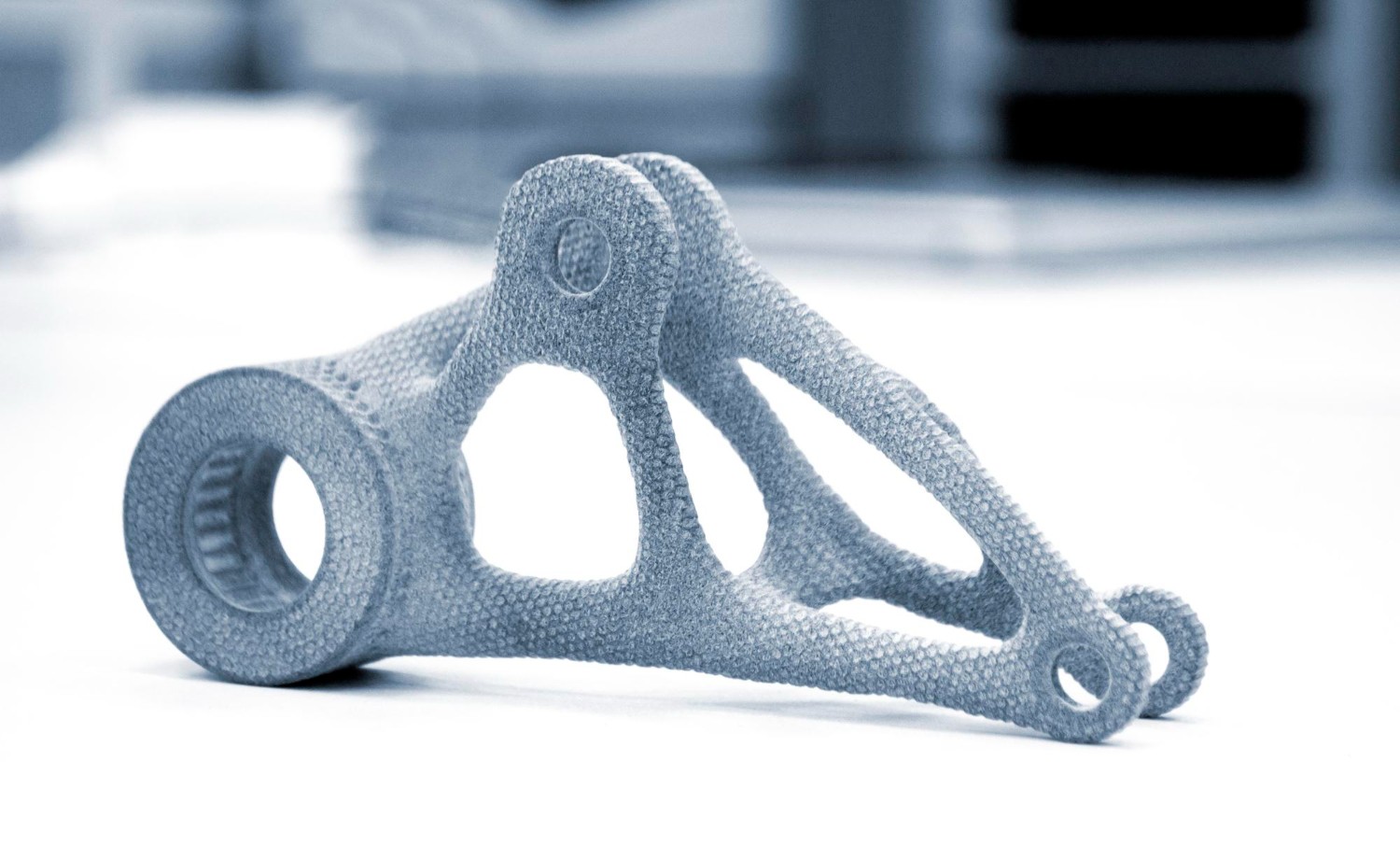
Our CNC Turning Capabilities
At Extreme CNC, we invest in technology that gives us a competitive edge and allows us to offer comprehensive services. Our turning production capabilities are based on:
Modern CNC Lathes and Production Automation
- Lathes with driven tools: Our machines are equipped with driven tools (live tooling), which allows for additional operations such as milling, cross-drilling, or threading in a single setup. This eliminates the need to move the part to other machines, significantly shortening production time and increasing accuracy.
- Automation for large series:Thanks to bar feeders, we can automate large-scale production, ensuring not only high efficiency but also very competitive prices for high-volume orders.
Applications of CNC Turning in Industry
Our precisely turned components are at work in machines and devices around the world. We produce parts for various sectors, including:
pins, shafts, axles, hydraulic system components.
sleeve bearings, rollers, spindles, custom screws.
fittings, nipples, valve bodies.
stainless steel components with a high-quality surface finish.
bushings, spacers, custom nuts.
FAQ – Frequently asked questions about CNC Turning
We hope these answers have cleared up any questions you might have. At Extreme CNC, we believe in transparency and partnership at every stage—from the first question to the delivery of finished components. Now it’s your move!
What are "driven tools" on a lathe and what is their advantage?
Driven tools are additional, rotating spindles on the lathe’s turret that enable milling (e.g., creating a flat surface on a shaft) or drilling holes perpendicular to the part’s axis. The main advantage is the ability to complete a more complex part in a single cycle, which eliminates extra operations and increases precision.
What are the maximum dimensions of parts you can turn?
Our machinery allows us to machine a wide range of sizes. For specific information regarding the maximum turning diameter and length, please send us a quote request along with your drawing.
What accuracy and surface finish can be achieved with turning?
The standard dimensional tolerances we achieve are ±0.01-0.02 mm, but we are capable of handling projects with much stricter requirements. By using the right tools and techniques, we can achieve a very low surface roughness (Ra below 0.8), which is crucial in applications such as hydraulics.
Is a 3D model sufficient for a turning quote?
A 3D model (e.g., STEP) is an excellent starting point, but for turned parts, a 2D drawing (PDF) is crucial. It contains indispensable information such as diameter tolerances, radial and axial run-out, and the required surface roughness.
Can you help optimize my part for more cost-effective series production?
Yes, this is one of our key strengths. We often provide advice on material selection and on standardizing radii and chamfers, which can significantly reduce the unit cost for series production without compromising the part’s functionality.
What is the lead time for a CNC turning order?
The lead time depends on the part’s complexity, material availability, and order quantity. We often complete small runs of simple parts within a few business days. We always provide a precise and binding lead time in our official quote.
Have a Project to Turn? Let's Talk!
Transform your vision into a precise, physical component. Send us your project, and our team will prepare a no-obligation, free quote for you.